
What are CVDs?
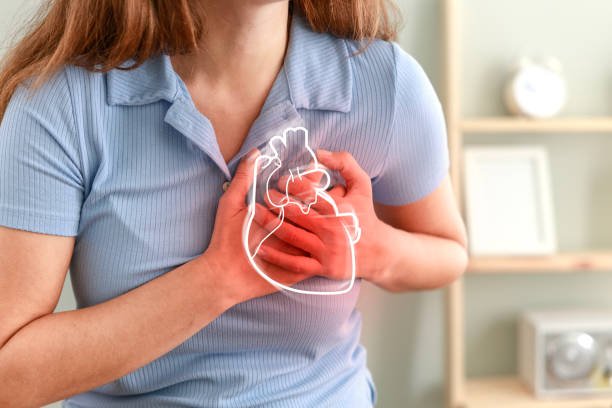
Cardiovascular Disorders (CVDs) are a group of disorders affecting the heart and blood vessels. These include but are not limited to:
Coronary artery disease (CAD)
Cerebrovascular disease (stroke)
Peripheral Artery Disease (PAD)
Heart Failure
Arrhythmias
Congenital heart disease
Deep vein thrombosis
Prevalence and burden of illness
It is the leading cause of death globally, accounting for ~32% all deaths in 2022 (WHO).
Approximately 1 in 6 Australians are living with CVD
The cost of CVDs to the Australian economy approximately $5B annually
The good news? The rate/percentage of deaths from CVDs has been decreasing the past 10 years from increased research, early diagnosis and prevention, understanding risk factors and medications + interventions.
So who is at risk?
Males - Diagnosis rates are 1.3 times higher in men than women.
Smokers - Tobacco absorbed in the bloodstream damages blood vessels, increases plaques and clots that restrict blood flow, leading to reduced blood oxygen levels.
Individuals with hypertension - high blood pressure puts excess strain on the heart which can cause artery damage, stiffening and narrowing.
Individuals with abnormal blood lipids (dyslipidemia) - abnormal triglyceride and cholesterol levels can lead to atherosclerosis (narrowing/blockage in arteries), increasing risk of CVDs.
Overweight and obese individuals - High BMIs are associated with increased risk of abnormal blood lipids, developing T2D and hypertension, all of which increase risk of developing CVDs .
Diabetics - Long term, high blood sugar levels can damage blood vessels within the heart, increasing risk of fatty deposits.
Reducing Risk Factors
Out of those risk factors, most of these are modifiable with change in behaviours such as ceasing smoking, reducing alcohol consumption and managing blood lipid levels through diet. Many of these risks can also be reduced through use of exercise as medicine.
Exercise as Medicine
Regular exercise of resistance training (strength) and aerobic training (e.g. running, cycling) have both been shown to reduce resting BP/reducing hypertension.
Exercise also increases insulin sensitivity, allowing for better management of BGLs as well as using glucose during exercise which reduces blood glucose levels, helping manage diabetes.
Exercise helps reduce body weight by creating a caloric deficit (burning more energy than consumed) and also boosting metabolism when muscle is built as muscle requires more calories to maintain than body fat.

So what exercise is best for you?
The most suitable exercise for reducing risk of CVDs was inconclusive in studies but what we do have straight is that some exercise of ANY type is better than no exercise at all. Even increasing your step count has a direct correlation in reducing your risk of developing a CVD. 10,000 steps a day is a great aim and is often recommended but a recent study published by USYD has stated that 7,000 steps is sufficient in providing these benefits.
In saying this, the most effective exercise tends to be the one that you will stick to. Consistency in exercise is far more important than the mode of exercise.
At SmartMoves we offer both small group classes (Pilates and strength), as well as individualised exercise sessions. Our small group size allows for us to adjust and individualise the class for you as needed and individual sessions are tailored personally for your needs and your goals.
If you are wanting to start exercising but not sure where to start, a gym junkie wanting a tailored approach or a regular class goer, SmartMoves is the place for you. Give us a call or book online today.
